
Steel Part Chamfering
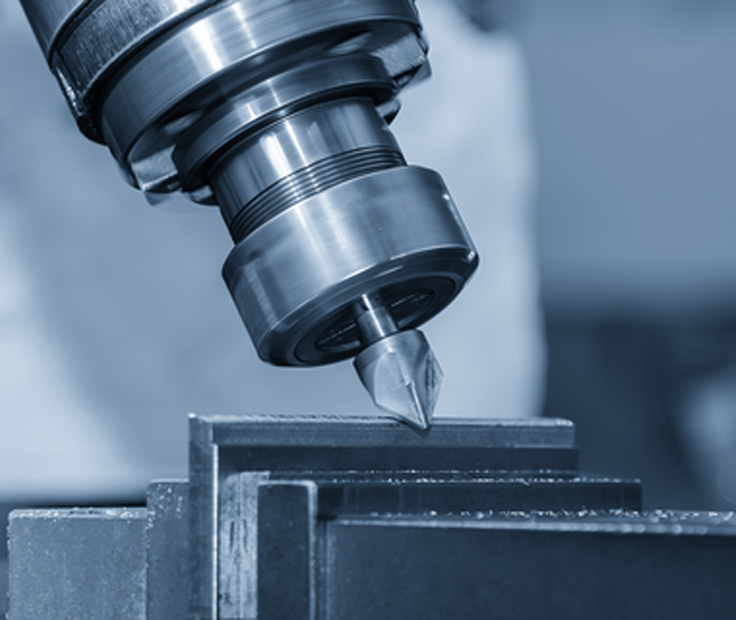
Steel is the foundation of precision manufacturing, and finishing its edges through chamfering calls for both skill and the right tooling. At Northern Industrial Manufacturing, a US-based precision manufacturer in the Detroit area, steel part chamfering covers stainless steel, conventional carbon steel, and high-strength low-alloy grades.
Each family of steel responds differently to the cutting edge. Some chamfer cleanly, others harden and resist the tool, and still others demand extra care to avoid tearing or burring at the edge. Understanding these differences is central to producing a clean, consistent bevel.
For purchasing agents, partnering with a shop that knows how steel behaves under the tool means cleaner edges, tighter tolerances, and parts that arrive ready to assemble. The right partner advises on approach before the work begins.
Stainless Steel Chamfering
Stainless steel resists corrosion but is tough and prone to work hardening, which makes chamfering more demanding than it is on milder metals. Sharp tooling, steady feed rates, and proper technique are all important to a clean, smooth edge.
When chamfered correctly, stainless parts gain a clean bevel that assembles well and resists corrosion at the edge. When done poorly, the same material can leave a rough, torn edge that undermines both fit and finish.
Northern Industrial Manufacturing performs stainless steel chamfering with the controlled approach this material rewards, producing clean edges that hold up in demanding environments. Careful technique preserves the corrosion resistance of the steel at the edge.
Carbon Steel Chamfering
Conventional carbon steel is among the most widely machined materials, valued for its strength and predictable behavior under the tool. Chamfering carbon steel is efficient and dependable, producing clean edges across a wide range of parts and sizes.
Even with a cooperative material, edge quality still depends on sound technique and sharp tooling. Proper setup keeps the chamfer angle and depth consistent across an entire production run.
Northern Industrial Manufacturing handles carbon steel chamfering efficiently, giving customers across the United States clean, accurately finished edges for their assemblies. Efficient finishing helps keep costs reasonable on larger orders.
HSLA Steel Chamfering
High-strength low-alloy steel, or HSLA, combines strength with reduced weight, which makes it popular in automotive and structural parts. Its higher strength can make chamfering more challenging, since the material resists the cutting edge more than standard carbon steel.
Chamfering HSLA grades successfully requires tooling and parameters suited to the material so the edge stays clean and accurate. Experience with these alloys makes a clear difference in edge quality and tool life.
Northern Industrial Manufacturing brings that experience to HSLA steel chamfering, producing clean, strong edges on the lightweight parts that modern designs depend on. Matching tooling to the alloy protects both the edge and the schedule.
Edge Quality in Steel Chamfering
Across all steel grades, the quality of the chamfered edge affects how a part assembles, seals, and resists stress. Chamfering controls this edge through the right combination of tooling, speed, and technique matched to the grade. An edge that is too rough or too sharp for the job wastes either performance or material.
A clean, consistent chamfer assembles smoothly and resists cracking, while a rough edge can cause problems throughout the assembly. Matching the chamfer to the function of the part is part of good manufacturing judgment.
Northern Industrial Manufacturing tailors its steel chamfering to the edge each part requires, helping customers balance performance and value on every order.
Choosing the Right Steel for Chamfering
Selecting the proper grade is the first step toward a successful part, weighing strength, corrosion resistance, cost, and machinability together. The best material for a drawing meets the service requirement while still finishing cleanly at the edge.
A knowledgeable manufacturer can advise on how a chosen grade will behave during chamfering and flag any concerns before production begins. That guidance saves time and avoids surprises later in the program.
Northern Industrial Manufacturing helps customers throughout the United States choose and finish the right steel, applying chamfering expertise that begins well before the first cut.
Heat Treatment and Steel Chamfering
Many steel parts are heat treated to reach their final hardness, and this affects how and when chamfering is performed. Some edges are chamfered before hardening, while harder parts may require chamfering with tooling suited to the increased hardness.
Understanding this sequence matters, since chamfering a hardened edge requires different methods than working soft steel. Planning the order of operations correctly protects both the edge quality and the tooling.
Northern Industrial Manufacturing plans chamfering around heat treatment when needed, helping customers achieve both the hardness and the clean edges their steel parts require.
If your steel parts call for precise, dependable chamfering, the team at Northern Industrial Manufacturing is ready to support you. Call 586.468.2790 or request a quote today to discuss your project and discover how our precision steel part chamfering can support your production goals.
Steel Part Chamfering: 586.468.2790
Thank you for visiting our blog where we keep you updated on the latest News and Events in automotive manufacturing!
Please check back often to learn what is going on with Northern Industrial Manufacturing, in the world of precision thrust washers, selective shims, and spacers.
HOURS
Shipping
Monday-Friday: 7:00 am to 3:00 pm
Office
Monday-Friday: 7:00 am to 4:00 pm
CONNECT